
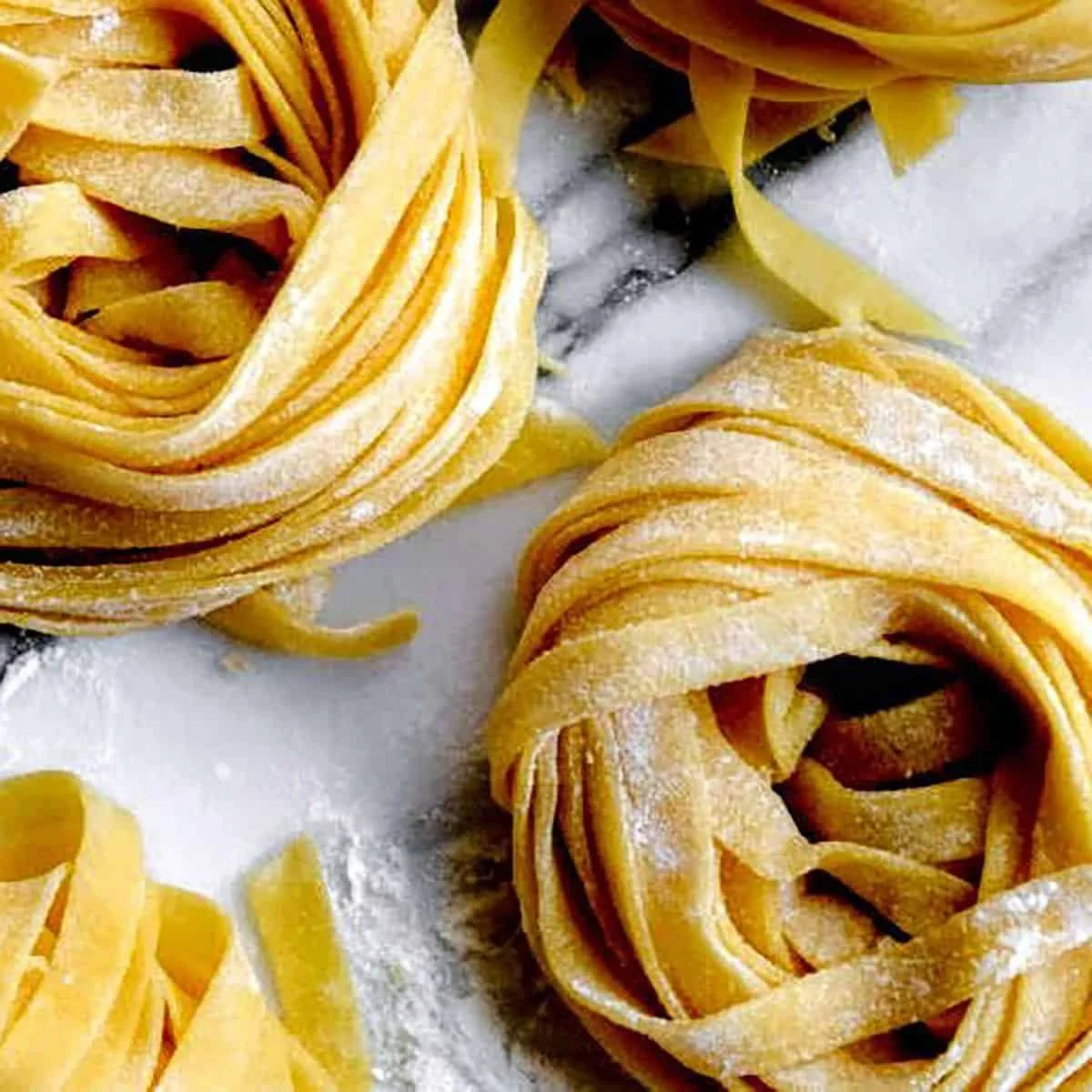
Classic Egg Pasta is a delightful dish that embodies the essence of Italian comfort food. Its rich, creamy texture and the aroma of freshly made dough create an inviting experience that is both satisfying and nostalgic. This recipe is especially worth making for family gatherings or cozy dinners at home, as it brings loved ones together around the table. In this step-by-step guide, you’ll learn to create your very own Classic Egg Pasta, transforming simple ingredients into a magnificent culinary creation.
Ingredients
For this Classic Egg Pasta, you’ll need:
- 400 grams of flour (tipo 00 pasta flour, approx. 2.5 cups): This finely milled flour provides the perfect texture for pasta, ensuring a tender yet firm bite.
- 200 grams of whole eggs (approx. 4 whole eggs): These rich, golden yolks contribute to the pasta’s beautiful color and luscious mouthfeel.
- 2 tablespoons of water (optional): Adding water can help achieve the desired dough consistency during preparation.
- 5 grams of salt (approx. 1 teaspoon): This essential seasoning enhances the overall flavor of your pasta, making each bite a delight.
When combined, these ingredients create a silky-smooth dough that cooks to perfection, providing a comforting base for various sauces and toppings.
Step-by-Step Directions
-
Weigh Out Your Ingredients: Use a kitchen scale to measure 400 grams of flour and 200 grams of eggs. If your eggs fall short, simply add water to reach the total weight.
-
Mix the Dry Ingredients: In a large bowl, combine the flour and salt. This step is critical for ensuring even distribution of flavors.
-
Add the Eggs: Crack the eggs into the bowl with the flour and salt. If you’re using water, add it at this stage.
-
Create a Shaggy Dough: Use a fork to mix the ingredients together until a rough, shaggy dough begins to form.
-
Knead the Dough: Transfer the shaggy mixture to a lightly floured surface. Knead the dough by hand for about 5 to 8 minutes. You’re aiming for a smooth, elastic texture.
-
Rest the Dough: Wrap the kneaded dough in cling film and let it rest for 30 minutes. This resting period allows the gluten to relax, making the dough easier to roll out.
-
Roll Out the Dough: After resting, use a rolling pin or pasta machine to roll the dough to a thickness of about 3mm (0.10 inches). Ensure the shortest side measures at least 15 cm (6 inches).
-
Cut the Pasta: To create tagliatelle, generously flour both sides of the rolled-out dough. Cut strips approximately 3.5mm wide (0.15 inches). For those using a pasta machine, employ the appropriate attachment.
-
Cook the Pasta: Bring 4 liters (1 gallon) of water to a boil and add 2 teaspoons of salt. Add the pasta and cook for about 3 minutes, or until the pasta floats to the top, indicating it’s done.
-
Drain and Serve: Remove the pasta from the water, reserving some for sauce if necessary. If you’re not serving it immediately, drizzle a bit of olive oil or butter over it to prevent sticking.
Tips & Tricks
- Kneading Technique: Be sure to knead the dough until it feels pliable but not overly sticky. If it sticks to your fingers, add a little flour.
- Flouring the Surface: Use plenty of flour when rolling out the dough to prevent it from sticking.
- Storing the Dough: If not using immediately, the dough can be wrapped tightly and stored in the fridge for up to 2 days.
Serving Suggestions & Pairings
Classic Egg Pasta pairs beautifully with a variety of sauces. Consider serving it with a homemade marinara, creamy Alfredo, or a simple dressing of garlic and olive oil. For a delightful twist, try topping it with sautéed vegetables and herbs. This recipe is versatile enough to suit any occasion, from elegant dinner parties to casual family meals.
Nutritional Information
A typical serving of Classic Egg Pasta (approximately 100 grams) contains around 150 calories, with 4g of protein and 2g of fat. It’s a balanced dish that provides energy, fiber from the flour, and essential nutrients from eggs. Pair it with a fresh salad and protein source for a complete meal.
Storing Tips & Variations
- Storage: Fresh pasta can be stored in an airtight container in the fridge for up to 2 days. If you wish to keep it longer, it can be frozen for up to a month. Just make sure to properly dust the pasta strips with flour to avoid sticking.
- Reheating: To reheat frozen pasta, simply boil it for a couple of minutes until heated through.
- Variations: Experiment by adding herbs or spinach to the dough for a unique flavor and color. Alternatively, try making stuffed pasta varieties like ravioli filled with cheese or vegetables.
Conclusion
Classic Egg Pasta is not only a delicious dish but also a rewarding culinary experience. It’s a fantastic way to bond with family and friends over a shared meal, and the flavor is simply unparalleled. I encourage you to try this recipe and enjoy the satisfaction of creating something extraordinary from scratch. Don’t forget to share your culinary journey!
FAQs
-
Can I use all-purpose flour instead of tipo 00 flour?
Yes, you can use all-purpose flour, but the texture may differ slightly. Tipo 00 flour yields a softer, silkier pasta. -
What if my dough is too dry?
If the dough feels too dry, gradually add small amounts of water until you achieve the desired consistency. -
Can I make this pasta gluten-free?
Yes, by substituting the flour with a gluten-free blend. Ensure that you follow the specific instructions for the blend you choose. -
How can I know when the pasta is fully cooked?
Fresh pasta cooks quickly, typically in just a few minutes. It’s ready when it floats to the surface and has a tender yet slightly chewy texture. -
What is the best way to serve Classic Egg Pasta?
It can be served warm with your favorite sauce, garnished with fresh herbs or cheese. Pair it with a nice salad or garlic bread for a complete meal.
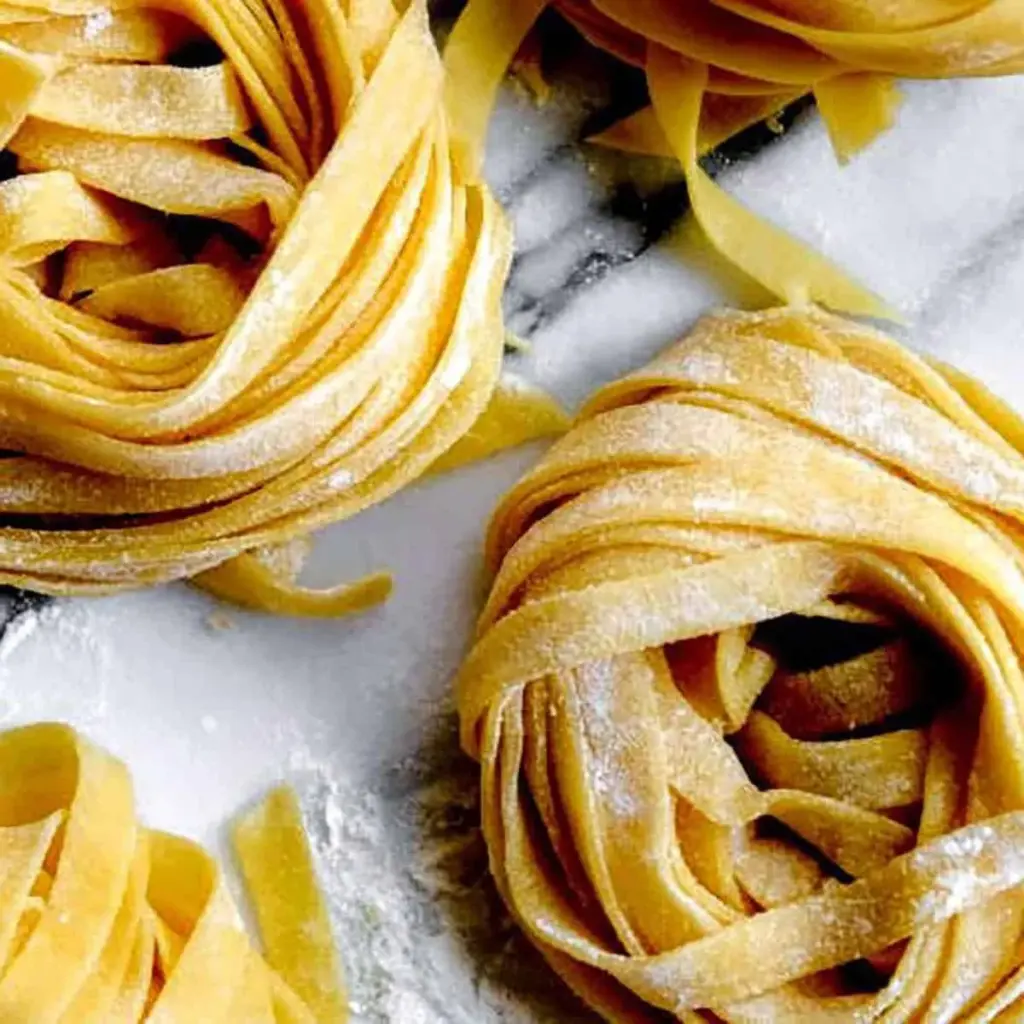
Classic Egg Pasta
Ingredients
Method
- Weigh out your ingredients: Use a kitchen scale to measure 400 grams of flour and 200 grams of eggs. If your eggs fall short, simply add water to reach the total weight.
- Mix the dry ingredients: In a large bowl, combine the flour and salt for even distribution of flavors.
- Add the eggs: Crack the eggs into the bowl with the flour and salt, adding water if necessary.
- Create a shaggy dough: Use a fork to mix the ingredients until a rough, shaggy dough forms.
- Knead the dough: Transfer the shaggy mixture to a lightly floured surface and knead by hand for about 5 to 8 minutes until smooth and elastic.
- Rest the dough: Wrap the kneaded dough in cling film and let it rest for 30 minutes to relax the gluten.
- Roll out the dough: Use a rolling pin or pasta machine to roll it to a thickness of about 3mm (0.10 inches), with the shortest side measuring at least 15 cm (6 inches).
- Cut the pasta: Flour both sides of the rolled-out dough and cut strips approximately 3.5mm wide (0.15 inches).
- Cook the pasta: Bring 4 liters (1 gallon) of water to a boil, add 2 teaspoons of salt, then add the pasta and cook for about 3 minutes until it floats to the top.
- Drain and serve: Remove the pasta from the water, drizzle olive oil or butter over it if not serving immediately to prevent sticking.

Leave a Reply