
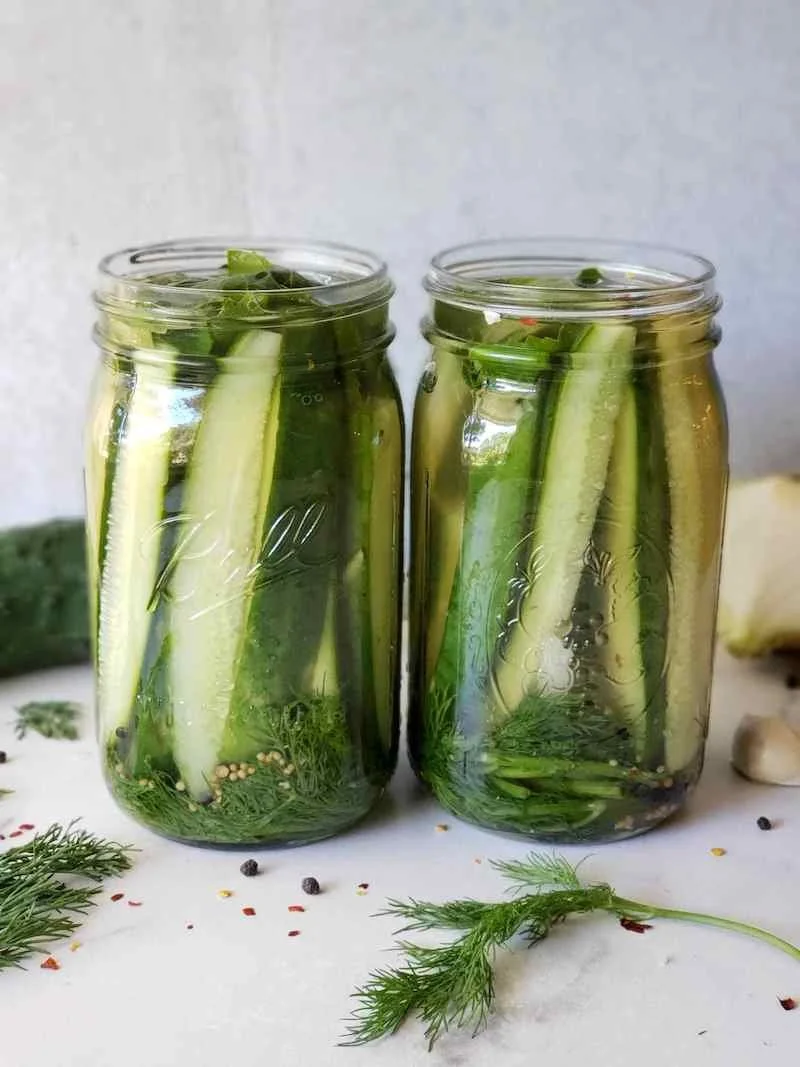
Best Refrigerator Pickles: Quick, Easy, Crunchy Dill Pickles
Best Refrigerator Pickles: Quick, Easy, Crunchy Dill Pickles are a vibrant addition to any meal or snack, bursting with flavor and crispness. The process of making these homemade delights is not only straightforward but also wonderfully rewarding. Imagine the refreshing crunch of a dill pickle dancing on your tongue, harmoniously intertwined with garlic and aromatic herbs. Perfect for summer barbecues, family picnics, or simply enjoying at home, this recipe brings a touch of nostalgia and joy to your kitchen. In this step-by-step guide, I will lead you through the crisp and tangy world of quick refrigerator pickles.
Ingredients
To create these Best Refrigerator Pickles, you’ll need the following ingredients:
- Cucumbers: Start with 2-6 fresh, crunchy cucumbers, depending on their size and your preferences. The freshness is key to achieving that crisp texture.
- Water and Vinegars: Use 3/4 cup of water, 3/4 cup of distilled white vinegar, and 1/2 cup of apple cider vinegar. These will create a tangy brine that enhances your pickles.
- Salt: Add 2 tsp of sea salt (kosher or pickling salt works best) to boost the flavor.
- Sugar: Include 1 Tbsp sugar to balance the acidity.
- Fresh Dill: Use 6 sprigs of fresh dill, or you can substitute with 1 Tbsp of dry dill if fresh is not available. Dill provides that classic, aromatic taste.
- Garlic: Incorporate 3 cloves of peeled fresh garlic to add depth and flavor.
- Spices: You’ll need 1 tsp peppercorns, 1 tsp mustard seed, and a pinch (scant 1/2 tsp) of red chili flakes for a bit of heat.
- Optional Ingredients: For added crispness, consider 2 whole grape leaves or their substitutes: horseradish, oak, or black tea leaves. Onion slices can also be added for extra flavor.
These ingredients come together to deliver a burst of refreshing taste that will make your salads and sandwiches pop.
Step-by-Step Directions
-
Preparation of Ingredients: Start by washing the fresh dill and cucumbers. Make sure to avoid any bruised or damaged cucumbers, as they won’t provide that satisfying crunch. Trim off the ends of each cucumber.
-
Cutting Cucumbers: The next step is to cut the cucumbers into your desired shape – whether it’s slices, spears, or halves, it’s all up to you. For extra crunchiness, soak the cut cucumbers in ice water for several hours.
-
Brine Creation: In a saucepan, combine the water, distilled white vinegar, apple cider vinegar, sugar, and salt to create the pickling brine. Heat lightly until the sugar and salt have dissolved. Remove from heat and let the brine cool to room temperature before adding to the jar.
-
Packing the Jar: At the bottom of a clean quart jar, add fresh dill, garlic, and any other spices. If you’re using grape leaves or other substitutes for crispness, place them down first.
-
Adding Cucumbers: Carefully pack the cut cucumbers into the jar, reducing wasted space. If you prefer, you can layer them to create an appealing presentation.
-
Brining the Cucumbers: Pour the cooled brine over the cucumbers until they’re completely submerged. If you run out of brine, simply top off with plain white vinegar to cover.
-
Sealing and Refrigerating: Place an airtight lid on the jar and store it in the refrigerator. For the best flavor, allow the pickles to sit for a minimum of 5 days before digging in.
-
Enjoying Your Pickles: These delicious homemade pickles will stay fresh for up to 2-3 months in the refrigerator. Just remember to keep them chilled!
Tips & Tricks
For the crunchiest pickles, always select the freshest produce. Consider using pickling cucumbers, specifically bred for their firmness and flavor. Soaking your cucumbers in ice water before brining is a proven trick to enhance their crispness. Feel free to experiment with spices according to your taste preferences; dill seed or coriander can introduce delightful variations.
Serving Suggestions & Pairings
These quick refrigerator pickles are versatile! Serve them as a zesty side to grilled meats or sandwiches. They make fantastic companions at a picnic, adding a burst of acidity that balances rich foods. Consider including them on a charcuterie board for an unexpected crunch or slice them thinly to elevate a simple salad. Wherever you serve them, these pickles will surely wow your guests!
Nutritional Information
Each serving of these pickles contains approximately:
- Calories: 30
- Total Fat: 0g
- Sodium: 300mg
- Total Carbohydrates: 8g
- Dietary Fiber: 1g
- Sugars: 1g
- Protein: 1g
While this recipe is a delightful treat, remember that moderation is key due to the sodium content. Enjoy these tangy bites as a part of a balanced diet, where fresh fruits, vegetables, and wholesome grains take center stage.
Storing Tips & Variations
Store your pickles in the refrigerator, ensuring they remain submerged in the brine. For long-term storage, consider freezing your cucumbers before pickling, but understand that they may lose their crunch once defrosted! Feel free to get creative with variations: add spices like dill seed or red pepper flakes for extra heat. You can also experiment with different herbs like tarragon or basil to customize the flavor profile.
Conclusion
I encourage you to try making these Best Refrigerator Pickles: Quick, Easy, Crunchy Dill Pickles at home. They’re not just a side dish; they’re an experience that connects you to the joys of cooking and enjoying homemade flavors. Share your experiences, variations, and any helpful tips with others. I can’t wait to hear how your fridge transforms with these delicious creations!
FAQs
-
Can I use other types of cucumbers?
Absolutely! While pickling cucumbers are ideal, you can use any cucumber variety. Just ensure they’re fresh and firm. -
How long do these pickles last?
If stored properly in the refrigerator, these pickles can last for 2-3 months. For best flavor, consume them within the first month. -
What can I do if I don’t have grape leaves?
You can substitute grape leaves with horseradish, oak leaves, or black tea leaves, which all help maintain crispness. -
Can I adjust the level of sweetness in my pickles?
Yes, you can modify the amount of sugar in the brine according to your taste preference. Just keep in mind that it balances the acidity. -
Do I need to sterilize my jars?
While it’s not strictly necessary for refrigerator pickles, sterilizing your jars can help prevent any bacteria from spoiling the pickles. Just wash them thoroughly before use.
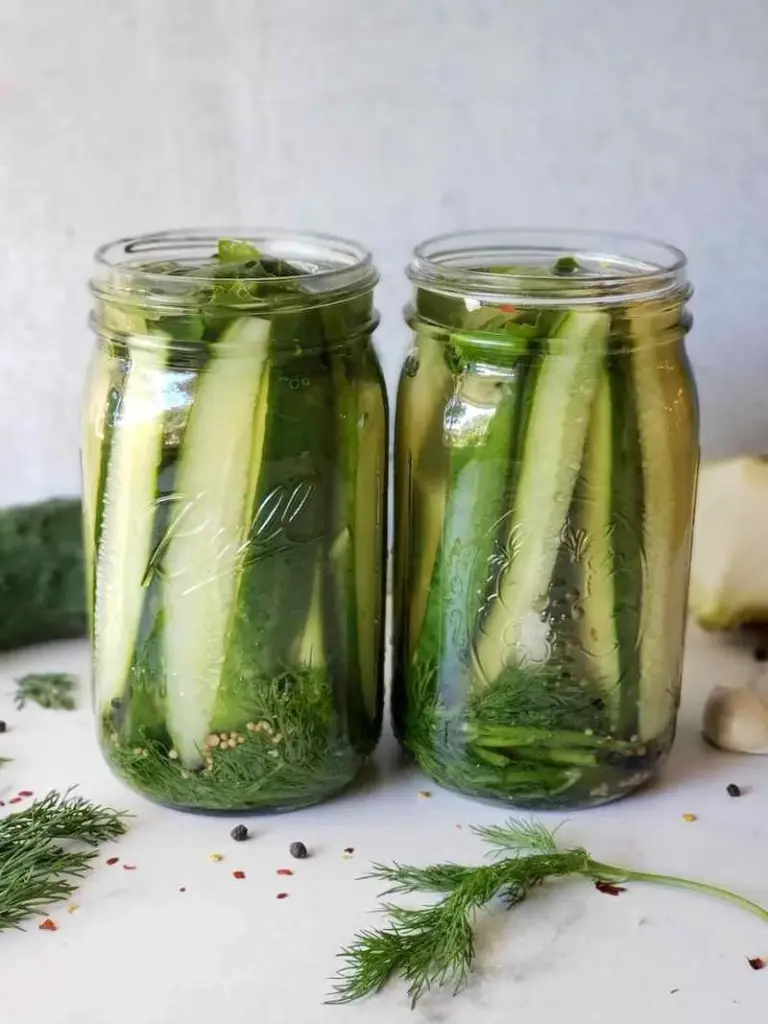
Best Refrigerator Pickles
Ingredients
Method
- Wash the fresh dill and cucumbers, avoiding any bruised or damaged cucumbers.
- Trim off the ends of each cucumber.
- Cut cucumbers into desired shapes such as slices, spears, or halves.
- Soak the cut cucumbers in ice water for several hours for extra crunchiness.
- In a saucepan, combine the water, distilled white vinegar, apple cider vinegar, sugar, and salt to create the pickling brine.
- Heat lightly until the sugar and salt have dissolved, then remove from heat and let cool.
- At the bottom of a clean quart jar, add fresh dill, garlic, and any other spices.
- If using grape leaves or substitutes for crispness, place them down first.
- Carefully pack the cut cucumbers into the jar, reducing wasted space.
- Pour the cooled brine over the cucumbers until they’re completely submerged.
- If necessary, top off with plain white vinegar to cover.
- Place an airtight lid on the jar and store it in the refrigerator.
- Allow to sit for a minimum of 5 days before enjoying.

Leave a Reply